View this post on Instagram
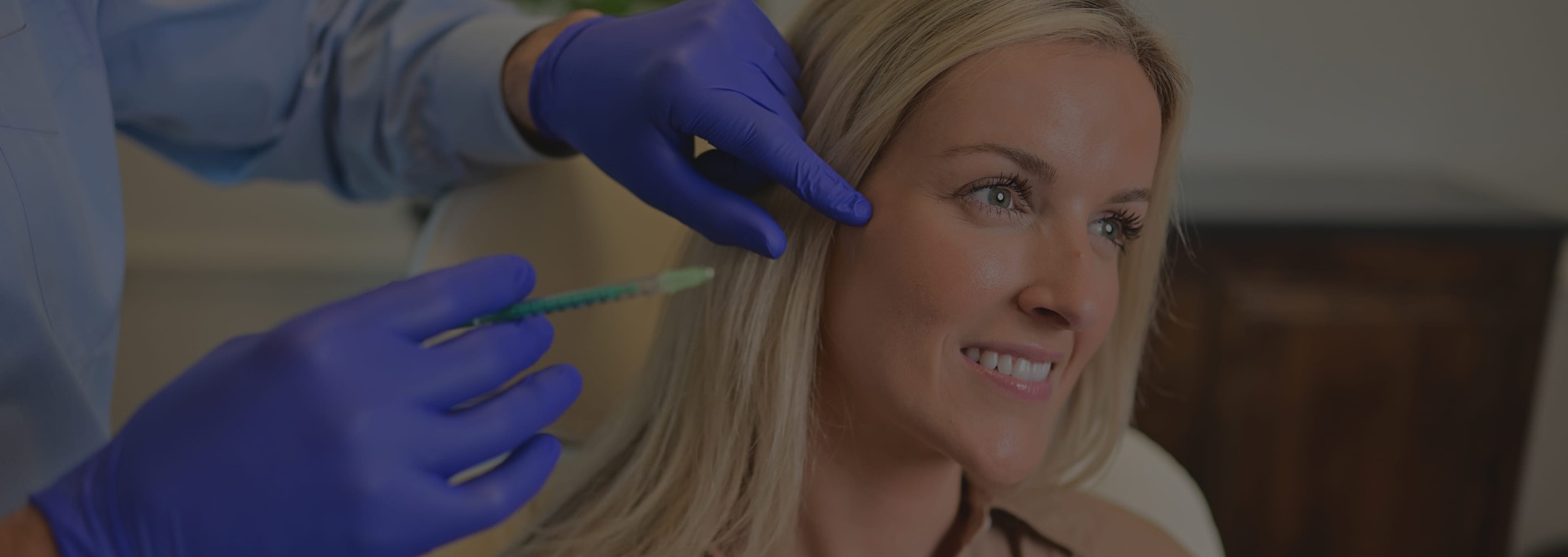
Our surgeons offer forehead lift solutions for men and women in Austin and the surrounding areas.
Our surgeons offer forehead lift solutions for men and women in Austin and the surrounding areas.

*Each patient is unique, and individual results may vary.



One of the first areas to show signs of aging is the forehead or brow region. This is caused by the forces of gravity and the dynamic muscles of the forehead and eyes, both of which cause a downward pull on the eyebrow. This leads to sagging skin, wrinkles, and heaviness around the eyes. These areas may show signs of aging even as early as the late 20s. Some individuals will describe themselves as having a constant appearance of exhaustion or concern. At the Buckingham Center, individuals can have minimally invasive forehead and eyebrow lifts to help achieve a naturally rested and youthful appearance.
Follow us @BuckinghamCenterFacialPlastics on Instagram

The endoscopic approach for forehead lifts offers patients several benefits. Patients who choose an endoscopic eyebrow lift can expect some or all of the following results:
The endoscopic brow lift also has the benefit of reduced swelling, bruising, and recovery time when compared to traditional forehead lift procedures.

This procedure restores a more youthful, refreshed appearance to the upper face by addressing sagging brows and forehead wrinkles. The cost includes:
Our staff is available to discuss payment options and answer any questions about the financial aspects of your brow lift procedure.
One complication of the traditional forehead lift was often a surprised expression, caused by lifting the brow too high. The endoscopic lift, when performed by a skilled facial plastic surgeon, produces a natural expression without the look of surprise.
The traditional brow lift can lift tissues more than an endoscopic lift, but this does not mean better results. The endoscopic lift offers more natural results, avoiding many aesthetic pitfalls of older techniques.
A consultation ensures you are a good candidate and allows the surgeon to create a custom treatment plan. It also helps build trust and comfort with your surgeon.
No plastic surgery stops aging completely. A brow lift can make you look younger and reset the aging process, with results lasting for many years depending on timing and lifestyle.
Most surgeries produce scars, but endoscopic brow lift incisions are placed in the hair-bearing scalp to minimize visibility and fade better over time.
Risks include bleeding, infection, scarring, hair loss, numbness, nerve injury, anesthesia complications, and poor aesthetic outcomes. These are rare when performed by a board-certified facial plastic surgeon.
Viewing before-and-after photos and lifting the skin at the sides of your forehead can give an idea. Your surgeon can also simulate the result during your consultation.
There is no perfect age; most patients are in their 40s, 50s, or older. A consultation helps determine if the surgery is appropriate for your needs.
Anesthesia prevents pain during surgery. Postoperative discomfort is minimal and managed with prescribed medications.
Candidates are healthy adults with realistic expectations for improving brow appearance. A private consultation determines suitability.
The consultation includes a full facial analysis and discussion of surgical and nonsurgical options to achieve desired results.
It is often performed in the fully accredited outpatient surgery center at the Buckingham Center.
Most often performed with a combination of local anesthesia and sedation.
The procedure typically lasts 1.5 to 2 hours.
Recovery is shorter than traditional methods, with less swelling and bruising, which fade within one to two weeks. Keeping the head elevated helps reduce swelling.
Most patients take 7 to 10 days off from work.
Stitches or staples are usually removed within a week.
Incisions vary depending on technique and may include direct (above eyebrow), mid-forehead (wrinkle line), coronal (in/along hair), temporal (hair edge), or endoscopic (in hair). The endoscopic approach is most common today.
In the endoscopic approach, incisions are smaller and separated, reducing numbness and scarring risk compared to traditional lifts with longer incisions.
If you would like to look like a younger, more vibrant version of yourself, then an endoscopic brow lift might be the perfect solution for you. Our facial plastic and reconstructive surgeons are dedicated to giving their patients beautiful, natural results. To schedule a brow lift consultation with one of our surgeons in Austin, Texas, call 512-401-2500 today.


Subscribe to our newsletter for exclusive offers, expert tips, and the latest insights in facial aesthetics. Stay ahead with updates straight from our experts—delivered right to your inbox!