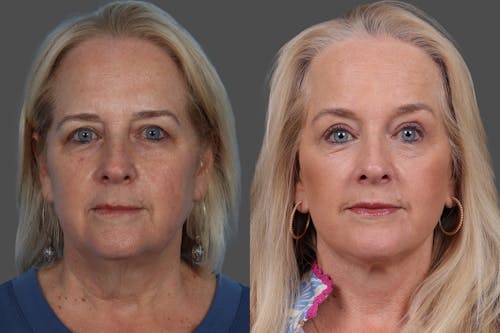
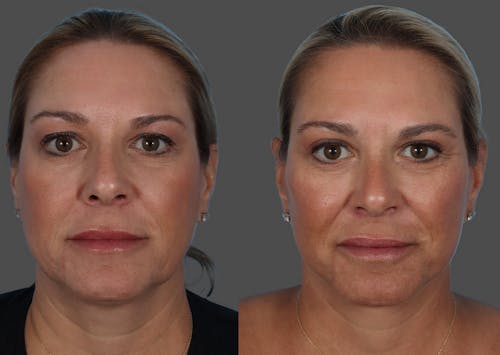
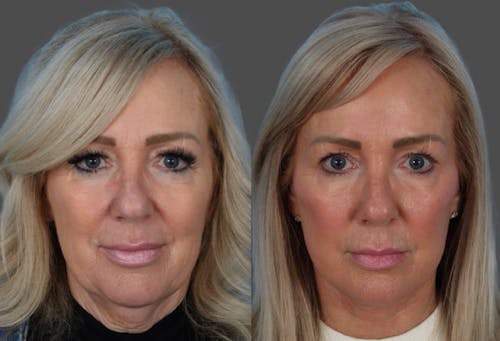
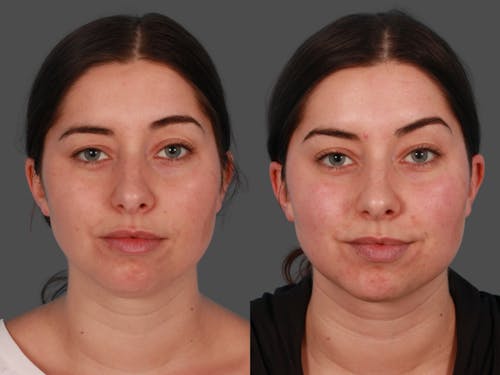
Precision Facial Contouring in Austin

Microliposuction is a minimally invasive procedure designed to remove localized fat deposits from various areas of the face and neck. Unlike traditional liposuction, this refined technique uses smaller cannulas and requires no incisions, making it ideal for delicate facial anatomy. The double board-certified surgeons at Buckingham Center for Facial Plastic Surgery, Dr. Edward Buckingham, Dr. Erin Smith, and Dr. Hudson Frey, specialize exclusively in procedures of the face and neck, bringing unmatched precision to every microliposuction treatment.

Whether you're concerned about fullness beneath your chin, along your jawline, or in the jowl area, microliposuction offers a targeted solution with minimal downtime.

This versatile procedure can be performed as a standalone treatment or combined with other facial rejuvenation procedures to achieve comprehensive results.

What Is Microliposuction?

Microliposuction is a specialized fat removal technique that uses a small, blunt microcannula to gently extract unwanted fat deposits from precise locations. After infiltrating local anesthesia, your surgeon creates a tiny entry point using a needle rather than a traditional incision. The microcannula is then inserted, and fat is removed using a syringe to generate a vacuum.

This technique differs from standard liposuction in several important ways:

  • Smaller instrumentation: The microcannula is significantly smaller than traditional liposuction tools, allowing for greater precision in delicate facial areas.
  • No incisions required: A simple needle puncture replaces the need for surgical incisions, minimizing visible scarring.
  • Local anesthesia: Most patients undergo microliposuction comfortably with local anesthesia rather than general anesthesia.
  • Faster recovery: The minimally invasive approach translates to shorter downtime compared to traditional liposuction techniques.

According to the American Society of Plastic Surgeons, liposuction remains one of the most requested cosmetic procedures, and microliposuction brings these benefits to patients seeking facial refinement.


Banner media

Common Treatment Areas for Microliposuction

Dr. Buckingham, Dr. Smith, and Dr. Frey perform microliposuction on multiple areas of the face and neck. Each treatment area requires specialized knowledge of facial anatomy to ensure safe, natural-looking results.

  • Submental region: The area beneath the chin where a "double chin" often develops. For patients specifically concerned about this area, learn more about our submental microliposuction procedure.
  • Jowls: The lower cheek and jawline area where fat accumulation can blur the distinction between the face and neck. Learn more about our jowl microliposuction procedure.
  • Neck: The anterior and lateral neck where fat deposits contribute to an aged or heavy appearance.
  • Cheeks: In select cases, the buccal fat pad region for patients seeking enhanced facial definition.

During your consultation, your surgeon will evaluate your facial anatomy to determine which areas would benefit most from microliposuction treatment.

Are You a Candidate for Microliposuction?

Ideal candidates for microliposuction in Austin share certain characteristics that make this procedure appropriate for their goals.

  • Localized fat deposits: You have stubborn pockets of fat in the face or neck that have not responded to diet and exercise.
  • Good skin elasticity: Your skin has enough natural elasticity to contract smoothly after fat removal.
  • Stable weight: You are at or near your goal weight and plan to maintain it.
  • Good overall health: You do not have underlying medical conditions that would increase surgical risk.
  • Realistic expectations: You understand what microliposuction can and cannot achieve.

Some patients may require additional procedures, such as a neck lift or submentoplasty, to address skin laxity alongside fat removal. Your surgeon will discuss all options during your consultation.

Banner media
Doctor media

Why Choose the Buckingham Center for Microliposuction?

The Buckingham Center for Facial Plastic Surgery offers an unparalleled combination of expertise, specialization, and patient-centered care. Dr. Buckingham, Dr. Smith, and Dr. Frey are all double-board-certified facial plastic surgeons who focus exclusively on procedures for the face and neck. This specialization translates directly into superior outcomes for microliposuction patients.

  • Fellowship-trained surgeons: Our surgeons completed advanced fellowship training specifically in facial plastic and reconstructive surgery.
  • Over two decades of experience: The Buckingham Center has served Austin patients since 2003, building a reputation for excellence and natural-looking results.
  • Accredited surgical suite: Our state-of-the-art facility meets the highest safety and quality standards.
  • 24/7 surgeon availability: A facial plastic surgeon is always available to address patient concerns.
  • Quad A accredited surgical suite: Quad A accreditation represents the highest standard of safety and quality in outpatient surgical facilities, and the Buckingham Center proudly maintains this elite distinction.

What to Expect During Your Microliposuction Procedure

Microliposuction is typically performed in our accredited surgical suite using local anesthesia. The procedure generally takes 30 minutes to one hour, depending on the treatment areas involved.

Your surgeon begins by marking the treatment areas and administering local anesthesia to ensure your comfort. A small needle puncture creates the entry point, strategically placed in a natural crease or inconspicuous location. The microcannula is then inserted, and fat is gently removed using controlled suction.

Throughout the procedure, your surgeon carefully sculpts the treatment area to create smooth, natural contours that complement your facial anatomy.

Schedule A Consultation

Contact Us
Contact us media

Recovery After Microliposuction

One of the significant advantages of microliposuction is the minimal recovery time required. Most patients return to work and normal activities within a few days.

  • Immediately after: You will wear a compression dressing around your chin and neck to minimize swelling.
  • Day one: The dressing is typically removed, and you may shower and bathe normally.
  • First week: Bruising and swelling are common and will gradually subside. Avoid strenuous exercise during this time.
  • Three months: Final results become visible once all swelling has resolved and tissues have settled.

Your surgeon will provide detailed aftercare instructions and remain available to answer questions throughout your recovery.

Schedule Your Microliposuction Consultation

Dr. Edward Buckingham, Dr. Erin Smith, and Dr. Hudson Frey at Buckingham Center for Facial Plastic Surgery are committed to helping patients achieve their aesthetic goals with precision, safety, and artistry. Whether you're interested in treating a specific area or exploring comprehensive facial contouring options, our team is here to guide you.

Contact the Buckingham Center today by calling (512) 401-2500 or completing our Patient Contact Form to schedule your consultation.

Banner media

Microliposuction FAQ

How much does microliposuction cost?

The cost of microliposuction varies depending on the treatment areas and whether it is combined with other procedures. During your consultation, your surgeon will provide a detailed cost breakdown based on your personalized treatment plan.

Will microliposuction leave visible scars?

Microliposuction uses tiny needle punctures rather than incisions, which typically heal without visible scarring. Your surgeon strategically places entry points in natural creases or inconspicuous locations to further minimize any trace of treatment.

How long do microliposuction results last?

The fat cells removed during microliposuction do not regenerate, making results permanent with weight maintenance. Significant weight gain after the procedure can cause remaining fat cells to enlarge, potentially affecting your results.

Can microliposuction be performed under general anesthesia if I prefer?

Yes, microliposuction can be performed under general anesthesia or IV sedation if you prefer, though most patients find local anesthesia comfortable and sufficient. Your surgeon will discuss anesthesia options during your consultation to determine what works best for you.

Is microliposuction painful?

Most patients experience minimal discomfort during the procedure due to local anesthesia, with only a brief burning sensation as the numbing medication takes effect. Post-procedure soreness is typically mild and easily managed with over-the-counter pain medication like Tylenol.

How soon can I exercise after microliposuction?

You should avoid strenuous exercise for at least one week following your procedure to prevent increased swelling and promote proper healing. Light walking is encouraged immediately after treatment to support circulation.

Can microliposuction fix loose or sagging skin?

Microliposuction removes fat but does not tighten loose skin, so patients with significant skin laxity may need additional procedures such as a neck lift or facelift. Your surgeon will evaluate your skin elasticity during your consultation to recommend the most effective treatment approach.

What happens if I gain weight after microliposuction?

While the removed fat cells cannot return, remaining fat cells in the treated area and elsewhere can expand if you gain weight. Maintaining a stable weight through healthy lifestyle habits helps preserve your microliposuction results long-term.

Be The First To Know!

Subscribe to our newsletter for exclusive offers, expert tips, and the latest insights in facial aesthetics. Stay ahead with updates straight from our experts—delivered right to your inbox!

Schedule A Consultation Book Your Opportunity to Learn More

Contact Us
Contact us media
Accessibility: If you are vision-impaired or have some other impairment covered by the Americans with Disabilities Act or a similar law, and you wish to discuss potential accommodations related to using this website, please contact our Accessibility Manager at (512) 401-2500.
Contact Us