


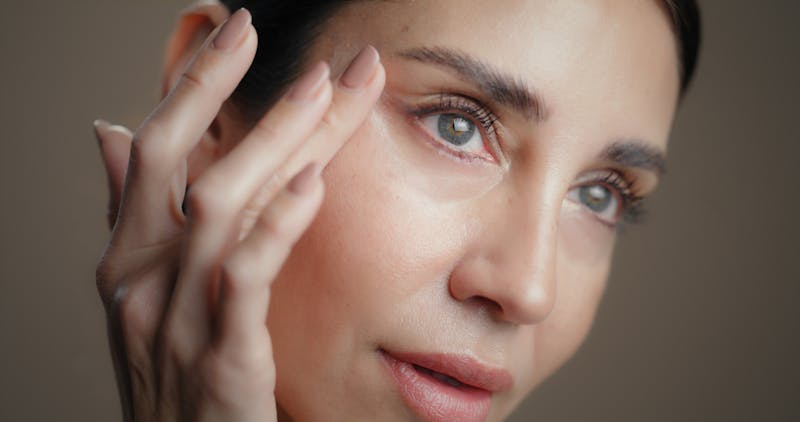
Good candidates for eyelid surgery typically have drooping upper lids, puffy bags beneath the eyes, or excess skin that interferes with vision or creates a tired appearance. Ideal candidates are in good overall health, have realistic expectations, and don't smoke. If your eyelids make you look older or more fatigued than you feel, blepharoplasty may be the right solution.
Dr. Edward Buckingham, Dr. Erin Smith, and Dr. Hudson Frey at Buckingham Center for Facial Plastic Surgery specialize exclusively in procedures of the face and eyes. Dr. Smith completed advanced fellowship training under world-renowned oculoplastic surgeons, bringing exceptional expertise to every blepharoplasty procedure. This focused specialization ensures patients receive precise, natural-looking results that rejuvenate the eye area without appearing overdone.
In this blog, we'll discuss the key signs that indicate you're a good candidate for eyelid surgery, factors that may affect your eligibility, the consultation process, and what steps to take once you've decided to move forward.
Physical Signs You May Benefit From Eyelid Surgery
Certain physical characteristics suggest that blepharoplasty could significantly improve your appearance and, in some cases, your vision. Recognizing these signs is the first step toward determining whether eyelid surgery is right for you.
- Drooping upper eyelids: Excess skin on the upper lids hangs over the lash line, creating a hooded appearance.
- Impaired peripheral vision: Severely drooping upper lids obstruct your side vision, affecting daily activities like driving.
- Under-eye bags: Puffy pouches beneath the eyes create a perpetually tired or aged look.
- Excess lower lid skin: Wrinkled, loose skin below the eyes adds years to your appearance.
- Difficulty applying makeup: Sagging upper lid skin makes eyeshadow application challenging or causes it to disappear into folds.
According to the American Society of Plastic Surgeons, blepharoplasty consistently ranks among the top five cosmetic surgical procedures performed each year. The popularity reflects how dramatically refreshed and alert patients appear following surgery.
Health Factors That Make You a Strong Candidate
Beyond physical signs, your overall health plays a crucial role in determining whether you're a suitable candidate for eyelid surgery. Certain health conditions must be evaluated before proceeding.
- Good general health: You should be free from serious medical conditions that impair healing or increase surgical risk.
- Non-smoker: Smoking significantly compromises healing and increases complication rates, so candidates should quit well before surgery.
- No serious eye conditions: Conditions like glaucoma, dry eye syndrome, or detached retina require careful evaluation before blepharoplasty.
- Stable vision: Your eye prescription should be relatively stable, and any vision concerns should be addressed beforehand.
- No uncontrolled diabetes: Well-managed diabetes is generally acceptable, but uncontrolled blood sugar impairs wound healing.
The American Academy of Ophthalmology emphasizes the importance of a thorough preoperative evaluation to identify any conditions that could affect surgical outcomes or recovery.
Emotional Readiness and Realistic Expectations
Being physically ready for eyelid surgery is only part of the equation. Emotional preparedness and appropriate expectations are equally important for achieving satisfaction with your results.
- Personal motivation: You're pursuing surgery for yourself, not to please others or meet external pressures.
- Realistic goals: You understand that blepharoplasty improves your appearance but won't make you look like a different person.
- Acceptance of recovery: You're prepared for temporary bruising, swelling, and activity restrictions during healing.
- Understanding of limitations: You recognize that eyelid surgery addresses specific concerns and may not eliminate all signs of aging around the eyes.
- Patience for results: Final results take several weeks to months to fully develop as swelling subsides.
Patients who approach surgery with realistic expectations consistently report higher satisfaction with their outcomes. Your surgeon will discuss what blepharoplasty can and cannot achieve during your consultation.
Signs That May Require Additional Evaluation
Some conditions can mimic the appearance of aging eyelids but may require different treatments or additional procedures. Your surgeon will assess whether blepharoplasty alone will achieve your goals.
- Brow ptosis: A drooping brow can push upper eyelid skin downward, making it appear that the eyelids themselves are sagging. A brow lift may be needed instead of or in addition to blepharoplasty.
- Ptosis: True eyelid ptosis involves weakness of the muscle that lifts the eyelid, requiring a different surgical approach than standard blepharoplasty.
- Festoons: These are distinct from under-eye bags and involve mounds of skin and muscle on the cheekbone that require specialized treatment.
- Hollowing: Volume loss around the eyes may benefit from fat transfer or filler in addition to surgical correction.
According to the National Institutes of Health, accurately diagnosing the underlying cause of eyelid concerns is essential for selecting the appropriate surgical technique and achieving optimal results.
What Happens During Your Eyelid Surgery Consultation
Once you've recognized the signs that suggest you're a candidate, scheduling a consultation is the next step. This appointment allows your surgeon to evaluate your concerns and create a personalized treatment plan.
- Medical history review: Your surgeon will discuss your health history, medications, and any previous eye surgeries or conditions.
- Physical examination: A thorough assessment of your eyelid anatomy, skin quality, and facial structure helps determine the best approach.
- Vision evaluation: If drooping lids affect your vision, testing may be performed to document the functional impairment.
- Photography: Standardized photos document your starting point and help with surgical planning.
- Treatment plan discussion: Your surgeon will explain recommended procedures, expected outcomes, and any limitations.
Dr. Buckingham, Dr. Smith, and Dr. Frey take time during consultations to answer all questions and ensure patients feel confident about their decision.
Taking the Next Steps Toward Eyelid Surgery
After your consultation confirms you're a good candidate, preparing for surgery involves several practical steps that set you up for a smooth experience and optimal results.
- Schedule your procedure: Choose a date that allows adequate recovery time away from work and social obligations.
- Arrange transportation: You'll need someone to drive you home after surgery and stay with you the first night.
- Prepare your recovery space: Stock up on cold compresses, lubricating eye drops, and comfortable pillows to keep your head elevated.
- Adjust medications: Your surgeon may advise stopping blood thinners, aspirin, or certain supplements before surgery.
- Stop smoking: If you smoke, quit at least four weeks before and after surgery to optimize healing.
Planning ahead reduces stress and allows you to focus on healing once your procedure is complete.
Schedule Your Blepharoplasty Consultation at Buckingham Center
Determining whether you're a good candidate for eyelid surgery requires personalized evaluation from surgeons who specialize in the delicate anatomy of the eye area. Dr. Edward Buckingham, Dr. Erin Smith, and Dr. Hudson Frey bring fellowship-level training and artistic precision to every blepharoplasty, ensuring results that look refreshed, natural, and harmonious with your facial features.
If the signs discussed in this blog resonate with your concerns, the next step is scheduling a consultation at Buckingham Center for Facial Plastic Surgery in Austin, TX. Our team will evaluate your eyelid anatomy, discuss your goals, and guide you toward a treatment plan designed to help you look as vibrant and alert as you feel.